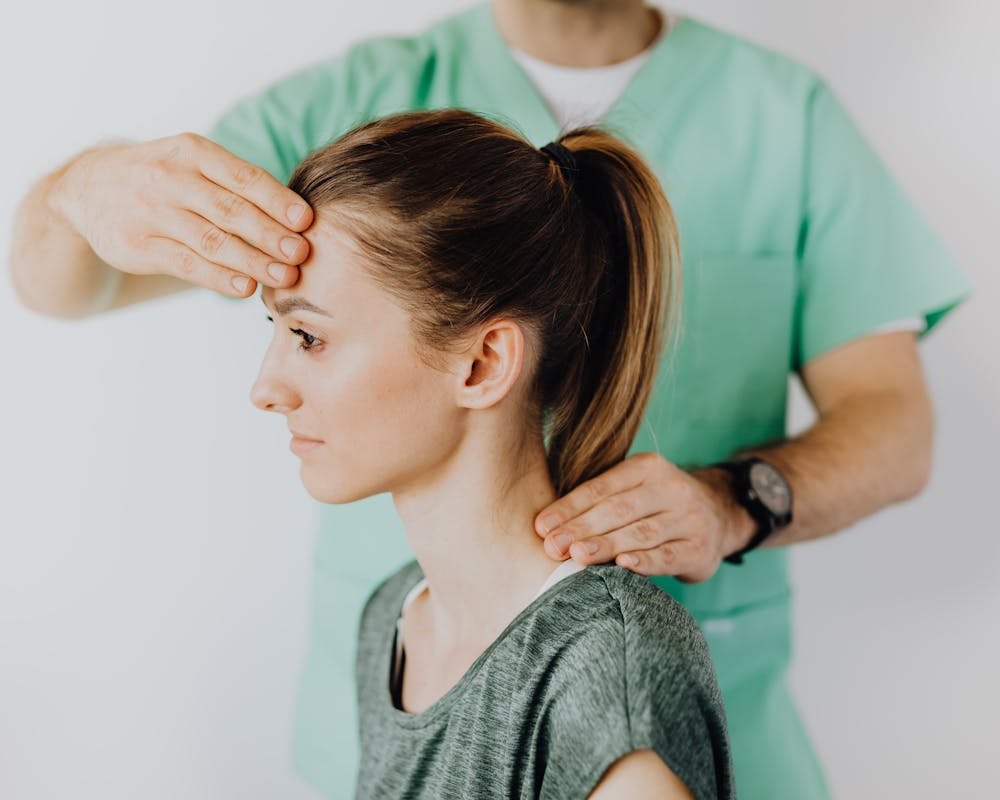

Massage therapy is a fantastic way to unwind and relieve stress, but sometimes it can come with a few surprises afterward. Understanding and managing these side effects can enhance your overall experience, allowing you to fully enjoy the benefits of your massage. Let’s delve deeper into some common side effects and explore effective strategies for managing them.
Common Side Effects of Massage
- Muscle Soreness
It’s not unusual to feel a little sore after a massage, especially if you opted for a deep tissue treatment. This soreness can be attributed to the manipulation of muscles and fascia, which may have released tension and tightness. Your muscles might be saying, “Thanks for the attention!” While some discomfort is normal, it's essential to differentiate between mild soreness and pain that feels excessive. - Fatigue
Feeling a bit wiped out after a massage? That’s quite common! Your body is likely in relaxation mode, releasing tension and stress, which can leave you feeling sleepy or lethargic. This fatigue is a sign that your body is working to restore balance and heal itself. If you find yourself feeling unusually tired, consider allowing yourself some time to rest. - Headaches
Some individuals may notice a headache post-massage, particularly if they were a bit dehydrated before their session or if the therapist focused on the neck and shoulder areas. Tension release can also lead to changes in muscle tension, which might trigger headaches. Staying aware of hydration levels and managing stress can help mitigate this side effect. - Dizziness
If you feel a little lightheaded after your session, don’t worry! This sensation can occur as your body relaxes, blood flow increases, and your heart rate stabilizes. It’s essential to take your time getting up from the massage table and to sit for a moment until you feel steady. - Emotional Release
Sometimes, massages can bring up unexpected emotions, like sadness or frustration. This phenomenon is entirely normal and can be a part of the healing journey. As physical tension is released, emotional blockages can surface. Allow yourself to experience these feelings; it’s a natural part of the therapeutic process.
Tips for Managing Massage Side Effects
- Stay Hydrated
Hydration is key before and after your massage. Drinking plenty of water helps reduce soreness and headaches by flushing out toxins released during the massage. Adequate hydration also supports overall bodily functions. Aim for at least 8-10 glasses of water a day, and consider increasing your intake around your massage appointments. - Rest and Relax
If you feel a bit tired, give yourself permission to take it easy. A short nap or engaging in quiet activities such as reading or meditating can help your body recover nicely. Creating a calming environment at home post-massage can enhance relaxation and promote recovery. - Gentle Movement
Light stretching or gentle movements can help ease any soreness. Engaging in activities such as yoga or leisurely walking can stimulate blood flow and promote flexibility. However, avoid high-intensity workouts for a day or two to allow your body the time it needs to adjust. - Apply Heat or Cold
If you’re still feeling sore, try using a warm compress or an ice pack on the areas that ache. Heat can help increase blood flow and relax tight muscles, while cold therapy can reduce inflammation and soothe soreness. Experiment with both methods to see which one provides you with the most relief. - Communicate with Your Therapist
Open communication with your therapist is crucial. Share how you’re feeling during and after your massage, including any discomfort or side effects. Your therapist can adjust their techniques or focus areas in future sessions to ensure your comfort and optimize your experience. - Monitor Your Body’s Response
Keep an eye on how your body feels after a massage. If you notice recurring headaches, dizziness, or excessive soreness, it might be a good idea to consult with a healthcare professional. They can help you determine whether adjustments to your massage routine or a different type of treatment may be more suitable for your needs. - Practice Mindfulness
If emotions come up during or after your massage, consider journaling or practicing mindfulness techniques to process what you’re feeling. Techniques such as deep breathing, meditation, or even talking through your feelings with a trusted friend can be effective for managing emotional release. - Schedule Regular Sessions
The more frequently you receive massages, the more your body can adapt to them. Regular sessions can help minimize side effects over time and contribute to ongoing relaxation and stress relief. Consider setting a monthly or bi-weekly appointment to establish a consistent routine. - Educate Yourself About Different Techniques
Understanding the various massage techniques can help you choose the right one for your body’s needs